
Top Benefits of Using Rice Husk Boards for Interior Panels
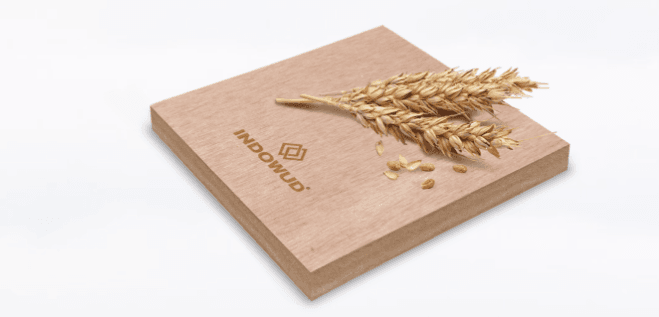
Rice Husk Boards for Interior Design: A Practical Overview
These days, when designing interiors, it is not only about how spaces look. Buildings must also be safe, durable, and environmentally responsible. Rice husk boards such as Indowud NFC fit well into this shift, especially for interior panels, partitions, and even furniture applications.
Many problems with traditional materials are common. Cabinets may swell due to moisture, termites can damage wood panels, and some materials release unpleasant chemical odors when new. Rice husk boards like Indowud NFC help address many of these issues while maintaining strength and design flexibility. They work well for interior panels and even in areas where moderate moisture may be present.
Sustainability: Turning Waste Into a Resource
One of the biggest advantages of rice husk boards is sustainability.
Every year, large amounts of rice husk are discarded or burned, contributing to pollution. Using this agricultural byproduct to manufacture panels transforms waste into a valuable building material.
Compared with traditional wood boards that require harvesting timber, rice husk boards help reduce pressure on forests. As sustainable architecture becomes more important, materials like Indowud NFC are increasingly preferred in modern construction.
Healthier Indoor Air Quality: Zero VOC Emissions
Indoor air quality is often overlooked in building design.
Many conventional boards release volatile organic compounds (VOCs) from chemicals such as formaldehyde. Over time, these emissions may affect comfort and health.
Rice husk boards are designed to avoid these emissions, making them zero-VOC materials. For homes, schools, and workplaces, this contributes to healthier indoor environments and improved occupant comfort.
Natural Termite Resistance: Less Maintenance and Lower Costs
Termites can be a persistent problem, particularly in humid climates.
Wood-based panels often require chemical treatments to protect against termite attacks, and even then the protection may not last indefinitely.
Rice husk boards naturally resist termite damage due to their composition. This reduces the need for repeated pest control treatments and helps extend the lifespan of interior installations.
For homeowners and facility managers, this can mean lower maintenance costs over time.
Moisture Resistance: Ideal for Wet and Humid Areas
Rice husk boards like Indowud NFC are designed to perform well in environments where moisture is present.
Traditional wood panels can swell, warp, or weaken when exposed to humidity. Over time, this reduces structural stability and appearance.
Rice husk boards provide built-in moisture resistance, which makes them suitable for areas such as kitchens, bathrooms, and other spaces where humidity is common.
This durability reduces the need for frequent repairs or replacements.
Design Flexibility Without Compromise
Rice husk boards also offer strong design versatility.
They can be finished with paints, laminates, veneers, or decorative coatings, similar to conventional panels. Designers can also apply CNC routing, digital printing, or other finishing techniques.
In addition, rice husk boards can support thermoforming, allowing designers to experiment with parametric or curved designs while maintaining sustainable material choices.
Long-Term Cost Value
While traditional materials may appear less expensive initially, long-term costs can tell a different story.
Damage caused by termites, moisture exposure, and structural wear can lead to frequent repairs or replacements.
Rice husk boards such as Indowud NFC often last longer and require less maintenance. When considering the total lifecycle cost of an installation, they can provide better long-term value for both residential and commercial projects.
Conclusion: A Material Built for Modern Interiors
Interior design is gradually shifting toward materials that are both durable and environmentally responsible.
Rice husk boards align with this trend by combining sustainability, durability, and healthier indoor air quality. They also address common issues associated with traditional materials, such as termite damage, moisture exposure, and chemical emissions.
For homeowners, architects, and designers seeking long-lasting interior panels, rice husk boards represent a practical solution that supports modern, eco-conscious construction.
FAQ
Do rice husk boards resist termites without chemical treatment?
Yes. Rice husk boards naturally discourage termite activity because their composition is different from traditional wood panels. Unlike plywood, which contains cellulose that attracts termites, rice husk boards do not provide a suitable food source for insects.
Are rice husk boards safe for bedrooms and children’s spaces?
Many traditional boards release VOCs such as formaldehyde, which can affect indoor air quality. Rice husk boards designed with zero-VOC formulations help reduce these emissions, making them suitable for spaces such as bedrooms, homes, and educational environments.


Leave a Reply