
Why Rice Husk Interior Panels Are the Future of Sustainable Interiors
Why Rice Husk Interior Panels Are the Future of Sustainable Interiors
Here is something people usually do not think about when renovating a home or fitting out a commercial space: where did the board behind that wall panel actually come from, and what impact did its production have on the environment?
This simple question is driving a quiet but significant shift in the interior design and construction industry.
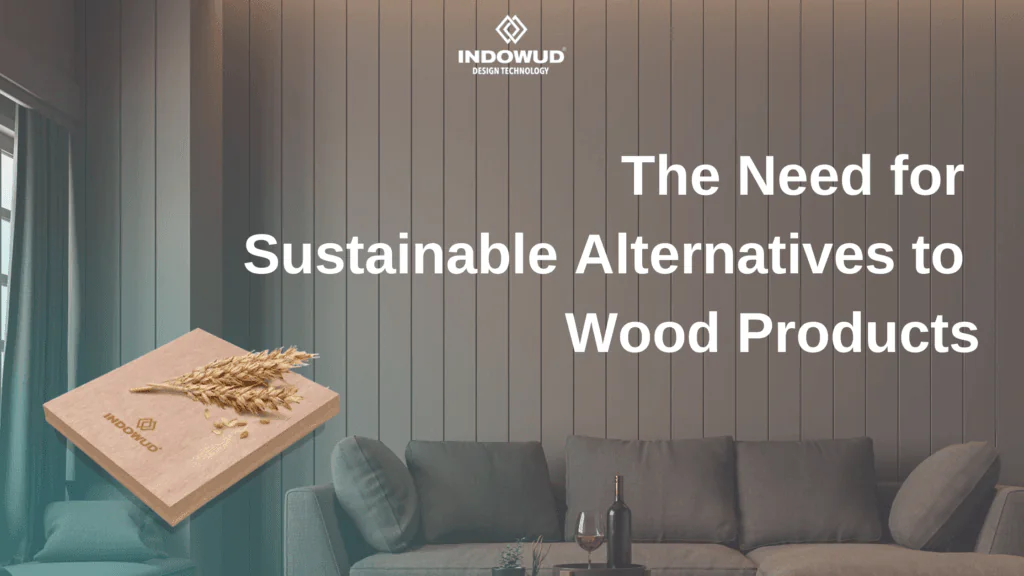
Rice husk interior panels are becoming one of the most compelling answers to that question.
At first, the idea may sound unusual. But once the story behind rice husk boards is understood, the concept becomes surprisingly logical.
What Is a Rice Husk Panel?
Rice husk is the outer shell removed from rice grains during milling.
For most of history, this byproduct had very little use. Large amounts of rice husk accumulated near mills, and farmers often burned it to dispose of the waste.
In large quantities, burning rice husk contributes to air pollution and releases harmful particulates into the atmosphere. For decades, it was simply a waste problem with no practical solution.
That began to change when material scientists started exploring rice husk as a potential building resource.
Processed rice husk fibers, blended with polymer binders and compressed under high heat and pressure, can form a stable composite board suitable for interior construction.
The result is rice husk interior panels—boards that perform similarly to conventional materials but are made from what was once considered agricultural waste.
Why Rice Husk Interior Panels Are Considered Eco-Friendly
The environmental benefits of rice husk boards are straightforward.
They:
- Use agricultural waste instead of timber
- Help reduce pollution caused by burning rice husk
- Reduce dependence on forest resources
- Support sustainable manufacturing practices
In simple terms, rice husk interior panels transform a waste material into a useful building resource.
Why the Demand for Sustainable Interior Panels Is Growing
Architects, builders, and homeowners are increasingly aware of the environmental impact of construction materials.
As sustainability becomes a priority in modern buildings, demand for environmentally responsible materials continues to grow.
Rice husk interior panels stand out because they combine durability, performance, and environmental responsibility.
How Rice Husk Interior Panels Are Made
The manufacturing process behind rice husk interior panels begins at rice mills, where the husk is separated from the grain.
Instead of discarding this material, the husk is collected and transported to specialized manufacturing facilities.
At these facilities:
- The husk is cleaned to remove dust and impurities.
- The fibers are blended with advanced polymer binders.
- The mixture is placed into industrial presses.
- High temperature and pressure compress the material into dense boards.
Once formed, the boards are cut into standard sizes and finished for different interior applications.
The final product resembles traditional panels but often performs better in many conditions.
Environmental Benefits of Rice Husk Interior Panels
Rice husk interior panels offer several environmental advantages.
Reduced Pressure on Forests
Traditional interior panels rely heavily on timber. Increasing demand for plywood and MDF leads to greater pressure on forest resources.
Rice husk panels reduce this dependency by using agricultural waste instead of wood.
Lower Environmental Impact
Compared with traditional boards and even some WPC boards, rice husk interior panels generally have a smaller environmental footprint.
Moisture Resistance
In cities like Chennai, Mumbai, Singapore, or Jakarta, moisture damage is a common problem for interior panels.
Rice husk boards offer better resistance to humidity and moisture, helping prevent swelling and warping.
Termite Resistance
Termites are a common concern in tropical climates. Many wood-based boards are vulnerable to termite damage.
Rice husk interior panels naturally resist termites, which helps increase their lifespan.
Fire Safety
Some eco-friendly rice husk boards also offer fire-retardant properties, making them safer for both residential and commercial interiors.
Long-Term Durability
Rice husk boards are known for their structural stability. They are less likely to crack, split, or deform over time compared with many traditional interior panels.
Because of these characteristics, many architects believe rice husk boards provide long-term environmental and structural benefits.
Common Applications of Rice Husk Interior Panels (Indowud NFC)
Rice husk interior panels such as Indowud NFC are used in a variety of interior design applications.
Wall Cladding
They provide a stable base for laminates, veneers, and paint finishes.
Modular Furniture
Rice husk boards are increasingly used in wardrobes, kitchens, and custom furniture systems.
Office Partitions
Modern offices rely heavily on partition systems, making durable interior panels essential.
False Ceilings
Rice husk boards are also used in ceiling installations, particularly in commercial interiors.
Doors and Cabinets
Their strength and stability make them suitable for door cores and cabinetry.
Global Interest in Eco-Friendly Interior Panels
Many global cities now promote environmentally responsible construction.
Cities such as Singapore, London, Dubai, and New York have building standards that encourage sustainable materials.
In India, cities including Bengaluru, Hyderabad, Delhi, and Chennai are seeing increased demand for eco-friendly interior panels made from rice husk.
As awareness grows, rice husk interior panels are becoming an attractive option for architects who want to combine performance with sustainability.
The Future of Sustainable Interiors
Interior design trends continue to evolve as sustainability becomes a key focus.
Materials that rely heavily on timber resources or plastic-based components are increasingly being questioned.
Rice husk boards offer an alternative that balances environmental responsibility with practical performance.
As manufacturing technologies improve and awareness grows, rice husk panels are likely to become more widely used in sustainable construction.
Final Thoughts
The shift toward sustainable interiors is more than a temporary trend.
Rice husk interior panels demonstrate how agricultural waste can be transformed into high-performance building materials.
For homeowners, architects, and builders looking toward the future, rice husk interior panels represent more than an alternative—they offer a glimpse into the next generation of sustainable construction materials.





Leave a Reply