
Interior Panels That Resist Fire, Water, and Termites
Interior Panels That Resist Fire, Water, and Termites
Buildings today are expected to do much more than simply look good.
Think about an apartment in Singapore dealing with monsoon humidity, a busy office in London with constant foot traffic, or a luxury hotel in Dubai exposed to extreme heat. The materials used inside these buildings must perform under very different conditions. Durability, safety, and sustainability are no longer optional.
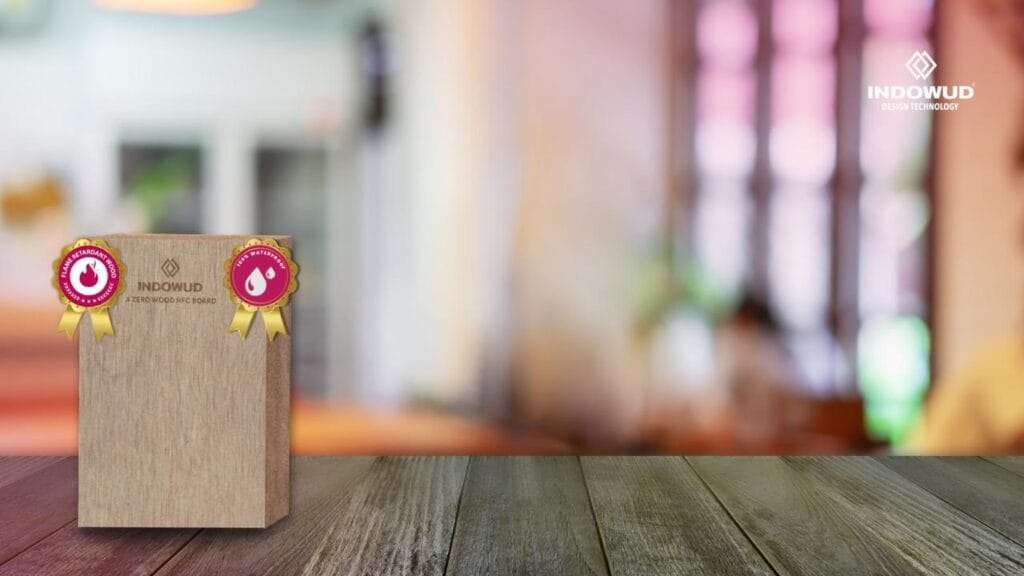
Designers today look for materials that can resist moisture, slow the spread of fire, and remain unaffected by termites. Engineered interior panels, including rice husk–based boards such as Indowud NFC, are increasingly being used to meet these demands.
These modern panels are designed as an upgrade over traditional plywood or MDF, which can weaken or deteriorate after years of exposure to humidity, pests, or structural stress.
Why High-Performance Panels Matter in Modern Construction
Interior panels were once chosen mainly for their appearance. Today they play a larger role in determining how long a building lasts, how safe it is, and how sustainable the construction process can be.
Architects use interior panels for:
- Wall cladding
- Ceiling systems
- Cabinets and wardrobes
- Furniture and partitions
- Decorative architectural elements
For decades, natural wood and plywood dominated these applications. However, these materials have limitations. Wood can swell in humid environments, termites can damage it, and untreated panels offer little resistance in the event of fire.
In high-traffic commercial environments such as malls, hotels, or airports, these weaknesses can quickly lead to expensive repairs and maintenance.
That is why many projects now use engineered interior panels made from natural fibers and mineral composites designed to resist multiple threats at once.
Fire-Retardant Panels: Improving Interior Safety
Fire safety has become a major design consideration in modern buildings.
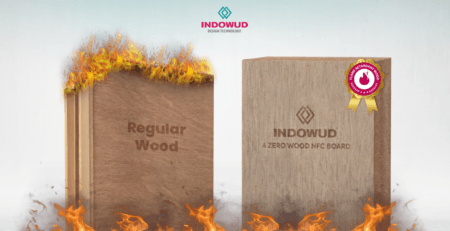
A well-engineered fire-retardant panel is designed to slow flame spread and reduce smoke generation. This delay can provide valuable time for evacuation and emergency response.
Many high-performance interior boards are tested according to recognized fire standards such as ASTM, UL, or European EN fire classifications.
Instead of acting as fuel during a fire, certified panels help limit the spread of flames within interior spaces.
Water-Resistant Panels for Humid Environments
Moisture is one of the most common causes of interior damage.
Kitchens, bathrooms, basements, and coastal properties are constantly exposed to humidity. Traditional wood panels absorb moisture, which can lead to swelling, warping, or delamination.
Water-resistant interior panels are engineered to maintain their shape and structural stability even in high-humidity conditions.
These panels are widely used in:
- Kitchen cabinetry
- Bathroom partitions
- Basement interiors
- Coastal homes and hotels
- Spa and wellness facilities
In regions with fluctuating climates, such as Southeast Asia or the Middle East, moisture-resistant panels help reduce maintenance and extend the lifespan of interior finishes.
Termite-Resistant Panels for Long-Term Durability
Termite damage causes billions of dollars in property loss worldwide every year.
Traditional wooden interiors are particularly vulnerable because termites feed on cellulose found in natural wood.
Many engineered panels address this issue through their composition. Rice husk-based boards, for example, contain lower cellulose levels compared to wood, making them far less attractive to termites.
This natural resistance reduces the need for repeated chemical pest treatments and helps protect cabinets, partitions, and wall systems from long-term structural damage.
Sustainable Interior Panels
Another reason these modern panels are gaining attention is sustainability.
Instead of relying entirely on timber harvested from forests, some engineered panels use agricultural by-products such as rice husk combined with natural minerals.
This approach offers several environmental advantages:
- Reduced dependence on timber resources
- Recycling of agricultural waste
- Lower landfill waste
- Reduced environmental impact
For projects targeting green building certifications, these materials can contribute to sustainable construction goals.
Environmental Certifications That Matter
Environmental Product Declaration (EPD)
An Environmental Product Declaration (EPD) provides transparent information about a material’s environmental impact throughout its lifecycle.
This includes raw material sourcing, manufacturing processes, transportation, and disposal. EPD-verified materials are often preferred in projects seeking LEED or other green building certifications.
GreenPro Certification
The GreenPro Ecolabel evaluates products based on environmental impact, safety, and sustainability. Panels with this certification meet strict standards for responsible manufacturing and material sourcing.
Low-VOC or Zero-VOC Materials
Indoor air quality has become a major concern in modern buildings. Many low-quality materials release volatile organic compounds (VOCs), which can affect indoor air quality.
Panels designed with low or zero VOC emissions help create healthier indoor environments for homes, offices, hospitals, and schools.
Design Flexibility and Workability
Durability alone is not enough—interior materials must also support creative design.
Engineered panels such as Indowud NFC can be machined using conventional woodworking tools, making them easy for carpenters and fabricators to work with.
They can be used in applications such as:
- Decorative wall panels
- Custom furniture
- Ceiling elements
- Partition screens
- Architectural cladding
Designers can cut, shape, and machine the panels into custom forms. They can also be printed or finished with laminates, veneers, or coatings to create unique patterns and textures.
Because the material maintains structural strength during machining, it allows architects to explore more complex interior design concepts, including curved elements and custom architectural features.
Final Thoughts
Modern buildings demand materials that do more than look attractive.
Interior panels today must resist fire, moisture, and pests while also meeting sustainability goals. Engineered panels made from natural fibers and mineral composites are designed to address these challenges simultaneously.
When durability, safety, and environmental performance are considered together, these materials provide a practical solution for long-lasting interiors.


Leave a Reply