
Top Benefits of Using Rice Husk Boards for Interior Panels
Rice Husk Boards for Interior Design: A Practical Overview
These days, when designing rooms, it is not only about how things look. Spaces need to be safe, durable, and environmentally responsible. Rice husk boards like Indowud NFC fit into that, especially for panels, partitions, and even furniture.
Problems with older materials are common, such as cabinets swelling due to moisture or termites damaging them. There is also the issue of chemical smell in new materials. Rice husk boards like Indowud NFC address many of these concerns without compromising strength or appearance. They work well for indoor panels and even in areas with some moisture exposure.
Sustainability: Turning Waste Into a Resource
Sustainability is a key advantage of these boards. Every year, large amounts of rice husk are discarded or burned, contributing to pollution. Using it for panels converts waste into a useful material.
Compared to traditional wood-based furniture boards, this reduces dependence on timber and helps address deforestation. With architecture moving towards environmentally responsible materials, this makes rice husk boards a practical choice.
Healthier Indoor Air Quality: Zero VOC Emissions
Indoor air quality is often overlooked. Many conventional boards release VOCs from chemicals like formaldehyde, which can affect health over time.
Rice husk boards do not release these emissions. This makes them suitable for homes, schools, and offices where maintaining healthier indoor air is important.
Natural Termite Resistance: Less Maintenance, Lower Costs
Termites are a common problem, especially in humid regions. Wood panels often require chemical treatments, which may not be effective long term.
Rice husk boards offer natural resistance, making them a dependable termite proof board option. This reduces maintenance efforts and associated costs over time.
Moisture Resistance: Ideal for Wet and Humid Areas
Rice husk boards like Indowud NFC are designed to perform well in moisture-prone environments.
Traditional materials often swell or weaken when exposed to humidity. In contrast, these boards remain stable and maintain their strength over time.
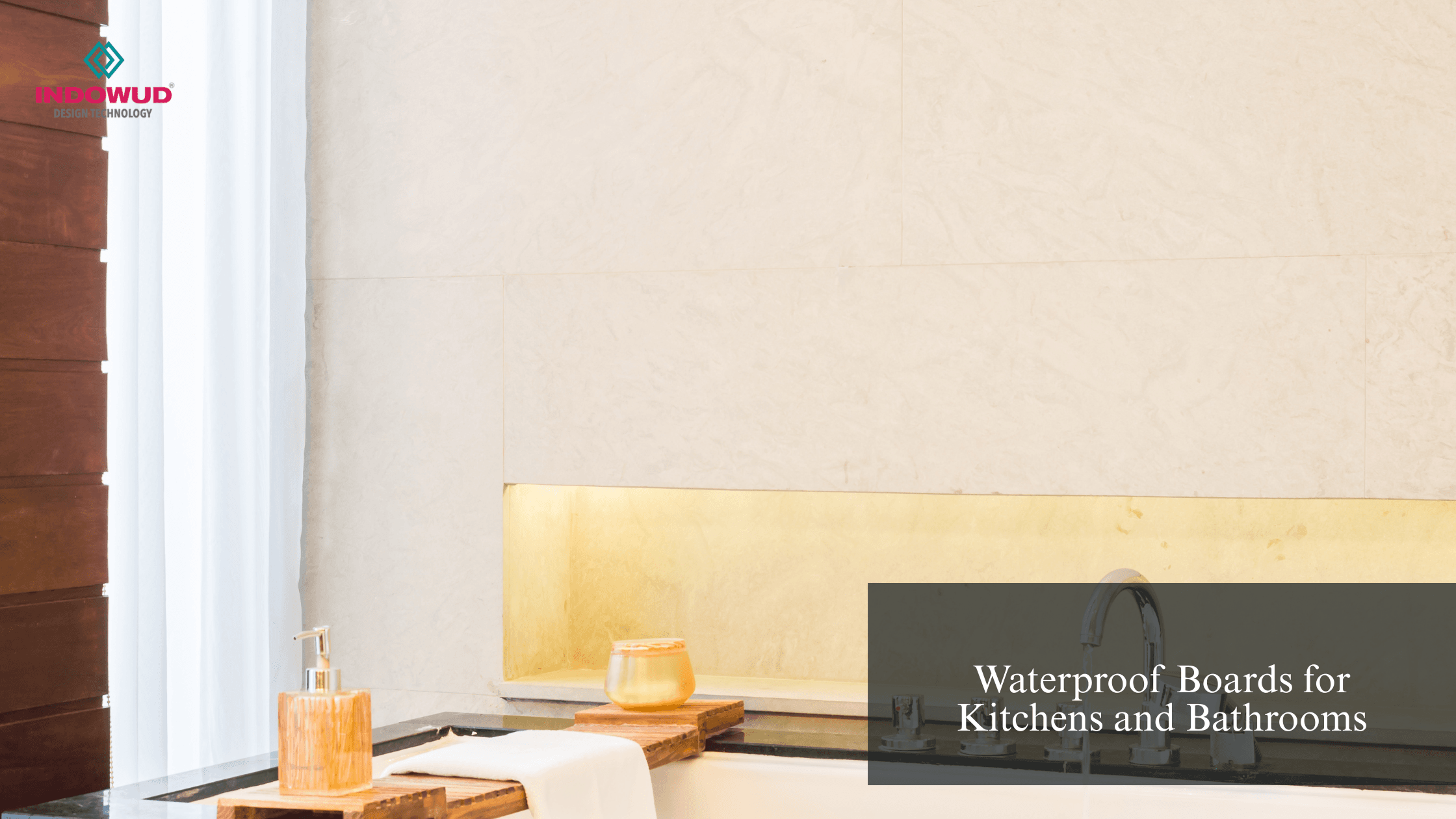
Because of this, they function effectively as a water resistant board, making them suitable for kitchens, bathrooms, and similar applications.
Design Flexibility Without Compromise
These boards are easy to work with, similar to conventional materials. They support finishes like paint, laminates, and veneers.
They can also be CNC routed, printed, or thermoformed for design flexibility. This allows designers to experiment without compromising sustainability.
Long-Term Cost Value
At first, traditional materials may appear more affordable. However, long-term costs often increase due to repairs, termite treatment, and replacements.
Rice husk boards provide better durability and lower maintenance. Compared to standard options, they offer better value over time, especially in long-term residential and commercial applications.
Conclusion: A Material Built for Modern Interiors
Interior design is moving toward materials that are durable and environmentally responsible. Rice husk boards align with this shift.
They offer sustainability, durability, improved indoor air quality, and resistance to common issues like moisture and termites. This makes them a reliable choice for modern interiors.
FAQ
Do rice husk boards resist termites without chemical treatment?
Yes. Termites do not attack these boards in the same way as wood-based materials, reducing the need for chemical treatments.
Are rice husk boards safe for bedrooms and children’s spaces?
Yes. Unlike conventional boards that release VOCs, rice husk boards do not emit harmful chemicals, making them suitable for indoor environments.



Leave a Reply