
WPC Board Manufacturer Guide: Choosing Rice Husk Based Boards
Choosing the Right WPC Board Manufacturer
If you are looking for a WPC board manufacturer in India, you are already moving toward building long-lasting interiors.
From homes in Chennai to offices in Bangalore, many people are gradually moving away from traditional plywood and choosing smarter materials such as WPC ply boards and rice husk boards like Indowud NFC.
However, the real question is: how do you choose the right WPC board manufacturer?
Let’s simplify the decision process.
Why Choosing the Right WPC Board Manufacturer Is Important
Not all WPC boards are the same, and not every manufacturer delivers the quality they promise.
Selecting the right WPC board manufacturer directly affects:
- The lifespan of furniture
- Resistance to water and termites
- Long-term maintenance costs
- Surface finish and design quality
In cities like Chennai, where humidity levels are high, choosing a reliable WPC board manufacturer becomes even more important. Moisture damage is a common issue in many interior materials.
Although WPC boards offer moisture resistance, they may not always guarantee complete termite protection like rice husk boards such as Indowud NFC.
What Is a Rice Husk Board?
A rice husk board is made from agricultural waste, specifically rice husk combined with polymers. It is considered one of the more eco-friendly materials available today.
India produces large quantities of rice husk every year. Using this agricultural byproduct in construction materials helps reduce waste while creating durable building boards.
Rice husk boards such as Indowud NFC provide a sustainable alternative to wood-based materials.
Why Rice Husk Boards Are Preferred
Rice husk boards offer several advantages:
- Waterproof performance
- Termite resistance
- Long-lasting durability
- Eco-friendly composition with no VOC emissions
- Greater strength compared with traditional plywood
Because of these features, many architects now prefer rice husk-based boards or WPC board manufacturers offering rice husk technology for both residential and commercial projects.
WPC Ply Board: An Alternative to Plywood
WPC ply boards are commonly used as substitutes for plywood in several interior applications.
Common Uses
- Modular kitchens
- Wardrobes
- Bathroom cabinets
- Office furniture
When selecting a professional WPC board manufacturer, consistent sheet quality becomes important, especially for large-scale projects.
However, WPC boards sometimes have limitations in screw-holding capacity because they are often foamed materials with lower wood powder content.
Interior Panels for Modern Designs
Modern interiors rely heavily on durable and well-designed interior panels.
These panels are commonly used for:
- Decorative wall designs
- Ceiling installations
- Architectural features
- Office partitions
A reliable WPC board manufacturer should offer panels that are easy to install and maintain. However, durability can vary depending on the board composition.
How to Choose the Right WPC Board Manufacturer
One of the most common questions is: How do you choose the right WPC board manufacturer?
Here are some important factors to consider.
1. Check Material Composition
A trustworthy manufacturer uses high-quality raw materials such as premium rice husk fibers and durable polymers.
2. Look for Certifications
Always choose a manufacturer that provides recognized certifications, including:
- Eco-friendly material certifications
- Fire-resistance compliance
- VOC-free product assurance
3. Ensure Water and Termite Resistance
This factor is especially critical in Indian climate conditions.
Professional manufacturers ensure that their boards resist swelling, cracking, and moisture damage over time.
While many WPC boards are moisture-resistant, rice husk boards such as Indowud NFC often offer higher resistance to termites and weather exposure.
4. Evaluate Workability
A high-quality WPC ply board should be easy for carpenters to cut, drill, and laminate.
Rice husk boards can also support advanced processes such as:
- Thermoforming
- CNC routing
- Digital printing
- Decorative finishing
This flexibility allows designers to implement complex architectural concepts without material limitations.
Why Rice Husk Boards Work Well in India
India’s climate requires building materials that can withstand heat, humidity, and pest exposure.
Rice husk boards perform well in these conditions because:
- They handle humidity effectively
- They do not easily absorb water
- They offer long-term durability compared with conventional wood products
Applications of WPC Boards
Residential Spaces
- Modular kitchens
- Wardrobes
- Decorative wall panels
Commercial Spaces
- Office furniture
- Retail display units
- Wall cladding and partitions
These applications highlight the versatility of WPC and rice husk boards in modern interiors.
Common Mistakes to Avoid
When selecting boards for interior projects, avoid these mistakes:
- Choosing low-quality materials
- Ignoring moisture resistance
- Not verifying manufacturer credibility
Working with a reliable WPC board manufacturer helps avoid these costly issues.
Sustainability Advantage
Choosing boards made from rice husk contributes to environmentally responsible construction by:
- Recycling agricultural waste
- Reducing deforestation
- Supporting eco-friendly building practices
Rice husk boards therefore play an important role in green building initiatives.
Why Brands Like Indowud Stand Out
When selecting a WPC board manufacturer, brands that prioritize innovation, sustainability, and certified product quality often stand out.
Companies that work with rice husk technology, such as Indowud NFC, offer benefits including:
- Advanced durability
- Improved surface finish
- Long-term reliability
Final Conclusion
Choosing the right WPC board manufacturer is not simply a purchasing decision—it is a long-term investment in the quality and durability of interior spaces.
Many generic WPC boards tend to have a plastic-like appearance with an artificial shine that may not blend well with natural interior designs.
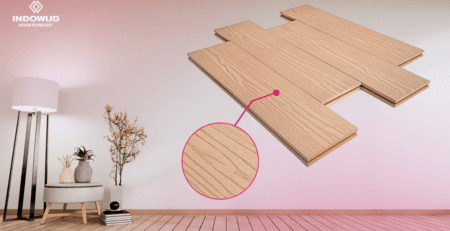
In contrast, boards like Indowud NFC are designed to replicate the texture and finish of natural wood, creating interiors that feel both warm and authentic while maintaining durability.





Leave a Reply