
Rice Husk Partition Boards vs Traditional Plywood: Which Is Better?
Rice Husk Partition Boards vs Traditional Plywood: Which Is Better?
With many years of experience working on various projects, architects have increasingly started using Indowud NFC rice husk partition boards instead of conventional plywood. They have proven to be a game-changer. Issues like moisture absorption and termite damage that commonly affect plywood are significantly reduced with these boards.
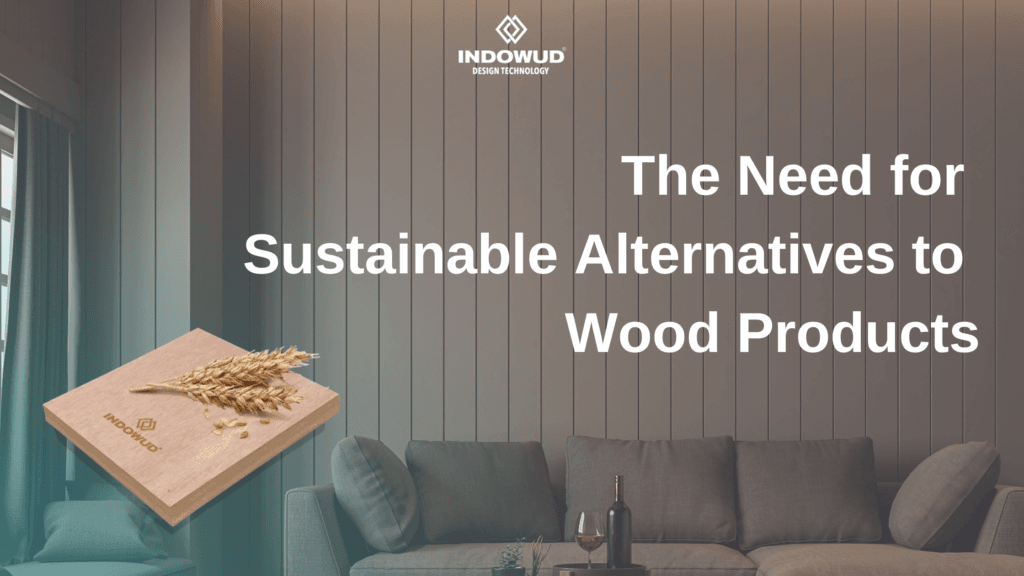
Indowud boards are made from rice husks. They are strong, eco-friendly, and easy to work with, which makes them attractive for architects and interior designers.
Why Architects Are Choosing Indowud NFC
Marine plywood is often used in humid environments. However, in many cases problems appear quickly. Salt spray or constant humidity can cause edges to peel, screws to loosen, and the boards to deteriorate.
Traditional plywood consists of layers of wood veneers bonded together using urea-formaldehyde (UF) resin, which may release formaldehyde over time. While plywood can work in dry conditions, it may struggle in humid climates such as many parts of India.
Common Problems with Traditional Plywood
Moisture Issues
Plywood can absorb water and swell significantly. In kitchens, bathrooms, or coastal environments, moisture exposure may lead to warping, delamination, and mold growth.
Termites and Insects
Because plywood is made from wood veneers, it can attract termites and other insects. In some cases, partitions and furniture in humid regions require replacement after only a few years.
Chemical Emissions
Adhesives used in plywood can release volatile organic compounds (VOCs) and formaldehyde, which may affect indoor air quality in enclosed environments.
Biological Growth
Traditional plywood is generally not resistant to algae or bacterial growth in damp conditions.
Rice Husk Partition Boards: A Different Approach
Rice husk partition boards such as Indowud NFC offer an alternative solution. India produces nearly 20 million tons of rice husk annually, much of which would otherwise become agricultural waste.
Indowud NFC boards combine approximately 70% rice husk with minerals and resins, which are then processed under heat and pressure to create dense, durable boards. The result is a material that resembles premium plywood in appearance but performs differently in many environments.
Key Advantages of Rice Husk Boards
Water Resistance
Rice husk boards demonstrate minimal water absorption and can withstand high humidity levels, making them suitable for bathrooms, pool areas, and coastal locations.
Termite Resistance
Because these boards contain no natural cellulose that attracts insects, they offer strong resistance to termite attacks.
Fire Retardant Properties
Rice husk composite boards can char rather than ignite easily, helping reduce flame spread and improving fire safety.
Low or Zero VOC Emissions
Unlike many wood-based panels, rice husk boards are designed with reduced chemical emissions, making them suitable for spaces such as schools, hospitals, and offices.
The Sustainability Advantage: Partition Boards That Protect Forests
Rice husk boards also provide environmental benefits. While plywood production relies heavily on timber, rice husk panels reuse agricultural waste.
Environmental product declarations (EPD) indicate that rice husk boards can reduce carbon emissions compared with conventional plywood production.
Rice Husk Partition Boards vs Traditional Plywood
Let’s compare rice husk partition boards like Indowud NFC with traditional plywood in key performance areas.
1. Moisture Resistance
Plywood can swell by 10–20% when exposed to water, leading to warping or delamination. Rice husk boards have significantly lower water absorption and maintain structural stability even in humid environments.
2. Termite Resistance
Plywood often requires chemical treatments to resist termites. Rice husk boards naturally resist insect damage due to their composition.
3. Fire Safety
Plywood is combustible, while rice husk boards can offer improved fire-retardant characteristics depending on their composition.
4. Durability
Indoor plywood installations may last 5–10 years under typical conditions, while rice husk boards are designed for longer lifecycle performance.
5. Environmental Impact
Plywood production contributes to timber demand, whereas rice husk boards reuse agricultural waste and can support green building certifications such as GreenPro and LEED.
6. Workability
Both materials are workable, but rice husk boards can also support modern fabrication techniques such as CNC cutting and thermoforming.
Versatility of Indowud Boards
Indowud boards are highly versatile and suitable for both interior and exterior applications.
They are commonly used for:
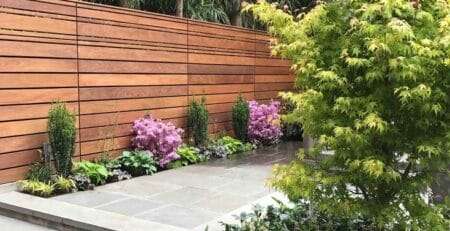
- Building facades and cladding
- Decking and wall panels
- Furniture and cabinetry
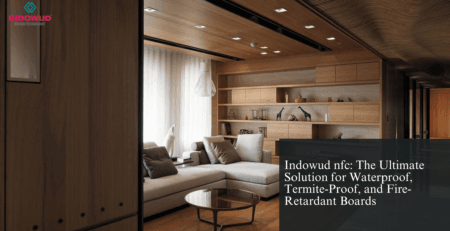
- Ceilings and partitions
- Kitchen cabinets and wardrobes
These boards are widely used in homes for wall partitions, wardrobes, and ceiling panels. They are also used in offices, hotels, hospitals, and retail spaces for partitions, furniture, and decorative wall elements.
Industrial buildings, factories, and schools also use them due to their durability and sustainability benefits.
From a design perspective, Indowud boards accept various finishes, allowing architects and designers to create different aesthetic styles while maintaining performance.
Conclusion
Rice husk partition boards are increasingly becoming an alternative to traditional plywood in many applications.
One key advantage is their natural resistance to termites. Unlike plywood, which contains wood fibers attractive to insects, rice husk boards are engineered to be borer-free and pest-resistant, reducing long-term maintenance costs.
Frequently Asked Questions
1. Are Indowud boards safe in terms of VOC emissions?
Yes. Indowud boards are designed to minimize VOC emissions and do not release harmful gases commonly associated with some wood-based materials. This makes them suitable for indoor environments such as homes, offices, hospitals, and schools.
2. How do Indowud boards perform in weather and moisture conditions?
Indowud boards are designed to resist water absorption and swelling. This makes them suitable for both interior and exterior applications such as cladding, partitions, and kitchen areas.
3. Can Indowud boards be used for both 2D and 3D designs?
Yes. Indowud boards support both 2D and 3D design applications. They can be used for CNC cutting, fluted panels, textured surfaces, and intricate architectural patterns, giving designers greater flexibility for custom spaces.

Leave a Reply