
The Future of Furniture Design: Why Indowud Furniture Boards Are in Demand
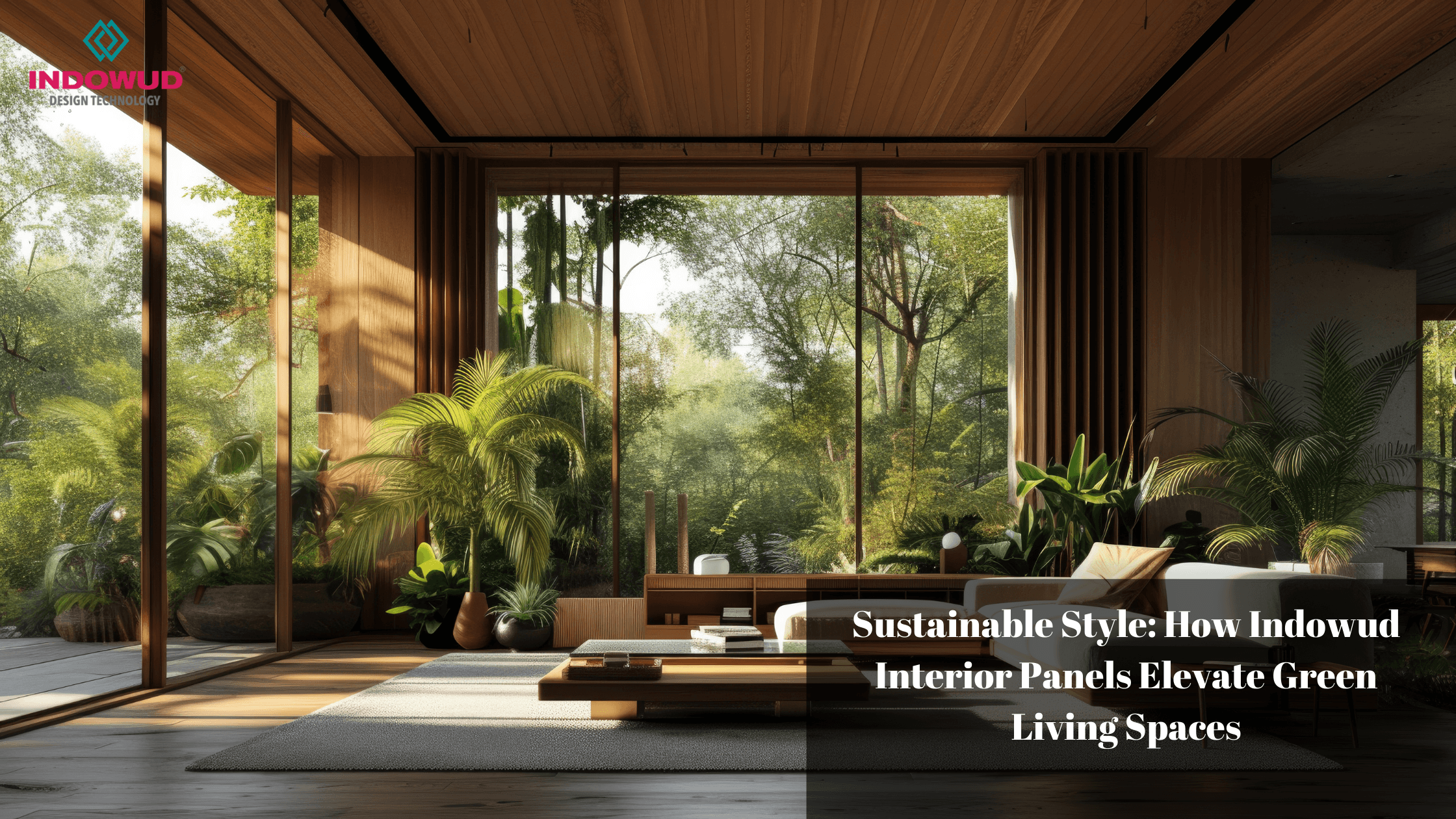
indowud2026-08-27T12:19:55+00:00You know what hit me the other day? I was flipping through Instagram reels of swanky Dubai apartments, and every one screamed “green living” with those lush walls and cosy vibes. But then I thought—how do you pull off sustainable style without the deforestation guilt or monsoon disasters? That’s when Indowud NFC interior panels jumped out. These bad boys are elevating homes and offices into eco-havens that actually last. If you’re wondering, are Indowud interior panels eco-friendly and sustainable? Yes—they’re made from rice husk waste, turning farm residues into chic, tree-sparing magic.
I’ve seen architects transform spaces near the beaches to durable and long-lasting designs with Indowud NFC interior panels. No weird chemical smells, just fresh air and style that sticks.
Why We’re Desperately Needing Wood Alternatives for Interiors
Let’s face it—traditional plywood and MDF flood Indian homes, but they’re chopping down 15 billion trees globally each year. That “new furniture smell”? Formaldehyde, a sneaky carcinogen messing with your family’s lungs. Add moisture, rain, water, exposure to weather, humidity, and wood warps, swells, or feeds termites. No thanks.
Enter Indowud NFC interior panels—crafted from rice husk that farmers burn post-harvest, choking Delhi winters with smog. Genius, right? Chennai-based Indowud flips it into waterproof, termite-proof panels that outperform wood without a single tree felled.
Indowud Interior Panels: The Game-Changing Sustainable Substitute
Picture interior panels that look like premium teak but shrug off spills and flames. Indowud NFC dries, powders rice husk, blends it with resins—no toxins, fully recyclable. Their 10,000-tonne facility spares 40,000 trees yearly, slashes 52,000 tonnes of CO2, and pays farmers for waste. Carbon-positive? Check. Stubble-burning cure? Double check.
These interior panels thermoform into curves, print with wild designs, or route intricate patterns—perfect for feature walls in Texas bungalows or acoustic backs in New York cafes.
Indowud Interior Panels vs Traditional Wood: Real Talk Showdown
Here’s the comparison—why architects and homeowners are switching:
Feature | Indowud Interior Panels | Traditional Wood Panels |
Sustainability | Rice husk waste, recyclable | Deforestation, high carbon |
Durability | Waterproof, termite/flame-retardant, smoke suppressant | Warps, rots, pest-magnet |
Health Safety | Zero VOCs, formaldehyde-free | Emits carcinogens |
Maintenance | Low | Constant treatments |
Design Flexibility | Printable, thermoformable | Limited |
Eco-Impact in India | Cuts stubble smog, tree-saving | Fuels habitat loss |
Versatility: Pairing Interior Panels with Furniture Boards and More
Indowud’s interior panels stand strong on their own, but they truly excel when combined with the full product range. Pair them with furniture boards to create wardrobes that organize space stylishly—no sagging shelves even in high-humidity environments. Use partition boards to define zones in open-plan lofts or studios, preserving natural light and airflow.
Outdoors, exterior panels withstand heavy rains and weather exposure, perfect for balcony features or patio accents. In one modern home I visited, interior panels blended seamlessly with partition boards to form a multifunctional den—eco-friendly, sound-absorbing, and safe for kids.
Why Indowud Interior Panels Are Ideal for Green Living
This goes beyond buzzwords—it’s smart design turning environmental challenges into opportunities. Embracing a circular economy, these interior panels recycle endlessly, eliminating landfill waste. Whether facing torrential downpours, scorching heat, or urban noise, they provide excellent insulation while maintaining clean indoor air.
Designers love them: thermoformed furniture boards for sculptural headboards, intricate jali screens from partition boards—all completely VOC-free, ideal for allergy-sensitive households. Achieve sustainable style with a feature wall in your office that sequesters carbon and turns heads. Plus, their low-maintenance design saves money over traditional wood repairs in the long run.
The Bottom Line: Elevating India’s Greener Interiors
We’re at a crossroads—keep poisoning air and forests, or embrace Indowud nfc interior panels? They’re the best wood substitute in the world: durable, locally sourced, better than plywood. From cosy nooks to pro workspaces, they craft spaces you’ll love guilt-free.
Time to ditch the old guilt and get excited about homes that heal the planet.
FAQ: Indowud Interior Panels Unpacked
Q: Are Indowud interior panels eco-friendly and sustainable?
Absolutely—rice husk base, recyclable, tree-sparing, and smog-fighting. Zero deforestation.
Q: Can interior panels handle Indian humidity?
Yes, fully waterproof—no warping like wood in Chennai monsoons.
Q: Safe for kids and pets?
100%—no formaldehyde or VOCs for clean, healthy air.
Q: How do they pair with furniture boards?
Seamlessly—use interior panels for walls, furniture boards for cabinets, matching perfectly.
Q: Suitable for outdoors too?
Via exterior panels—UV-proof for patios or facades.
Indowud interior panels aren’t just materials; they’re your ticket to sustainable style that lasts. Go green, stay gorgeous.





Leave a Reply