
Interior Panels That Tough Out Fire, Water, and Termites—No Sweat

Buildings today demand far more from the materials used inside them. Think of apartments in humid Singapore dealing with constant moisture, offices in London handling daily foot traffic and spills, or hotels in Dubai exposed to sand and extreme temperatures. Interior materials cannot fail under pressure—they must resist wear, water, fire risks, and termites.
Traditional materials like plywood or MDF often struggle in such conditions and may deteriorate over time. Modern interior panels, however, are engineered from advanced materials such as rice husk composites combined with minerals. These panels are designed to perform under multiple stresses while maintaining durability and aesthetics. One example of such material solutions is Indowud NFC.
Why Panels Rule Modern Builds (Especially Offices)
Interior panels today are no longer just decorative elements. They play a major role in determining safety, durability, and sustainability within a building.
Globally, architects and designers use solutions like Indowud NFC for:
- Wall cladding
- Ceilings
- Office furniture
- Partition boards
- Cabinets and storage systems
Traditional wood-based panels worked reasonably well when office spaces were simpler. However, wood can be vulnerable to humidity, termite attacks, and fire risks. In high-traffic environments, these weaknesses can lead to structural damage and costly repairs.
Rice husk boards offer a different approach. By transforming agricultural waste into engineered boards, they create materials that are more resistant to environmental stress while supporting sustainable construction.
Fire-Retardant Performance: A Critical Safety Feature
Fire safety regulations are becoming increasingly strict in commercial buildings such as hospitals, airports, and office towers.
Fire-retardant boards—including advanced rice husk boards like Indowud NFC—are designed to slow flame spread, reduce smoke generation, and provide valuable time for evacuation during emergencies.
Mineral-reinforced rice husk panels often perform better than conventional plywood in fire tests and can comply with international standards such as EN and ASTM fire classifications.
For office interiors and partitions, using certified fire-resistant materials ensures regulatory compliance and improves overall building safety.
Termite Protection: Long-Term Structural Reliability
Termites cause billions of dollars in damage every year to wooden structures, furniture, and interior walls. Regions such as India, Australia, and parts of the United States frequently face termite-related structural problems.
Rice husk composite boards provide natural resistance to termite activity due to their composition. Unlike conventional wood panels that contain organic cellulose attractive to termites, engineered rice husk boards discourage infestation.
For office partition boards in termite-prone regions, this resistance can significantly reduce maintenance and pest control costs.
Sustainable Material Choice: Why Rice Husk Panels Stand Out
Sustainability has become a key factor in modern construction projects, particularly those aiming for green building certifications such as LEED.
Rice husk boards are produced using agricultural waste, which means:
- No additional trees are cut for production
- Agricultural byproducts are reused
- Carbon footprint is reduced
Compared to WPC (wood-plastic composite) boards, rice husk panels generally contain less plastic and offer better recyclability, making them an environmentally responsible alternative.
Certifications That Matter: EPD and GreenPro
Environmental Product Declaration (EPD) works like a transparent environmental report for building materials. It evaluates the environmental impact of a product throughout its lifecycle—from raw material sourcing and manufacturing to usage and disposal. Because the EPD framework is standardized globally, architects and engineers can rely on the data when selecting sustainable construction materials.
GreenPro Ecolabel, issued by the CII-Green Products & Building Centre in India, certifies that a product meets strict sustainability criteria. These criteria include responsible sourcing, low toxicity, energy-efficient manufacturing, and safe working conditions.
Rice husk panels that carry certifications such as EPD and GreenPro can help buildings earn valuable LEED credits, particularly in categories related to materials and indoor environmental quality.
Indoor Air Quality: The Importance of Zero-VOC Materials
Zero-VOC materials do not release harmful volatile organic compounds into indoor air.
Some conventional construction materials emit fumes that may irritate the eyes, throat, or lungs. Long-term exposure to such emissions can negatively affect indoor air quality.
Rice husk panels avoid these issues because they are produced without harmful chemicals such as formaldehyde or carcinogenic gases. This makes them suitable for environments where air quality is especially important, including:
- Schools
- Hospitals
- Offices
- Residential interiors
Clean indoor air helps occupants remain comfortable, healthy, and productive.
Rice Husk Boards vs WPC Boards
| Feature | Rice Husk Boards | WPC Boards |
| Sustainability | Agricultural waste, lower carbon footprint, EPD/GreenPro certified | Plastic-heavy composition, recycling more difficult |
| Fire Resistance | Engineered for higher resistance | Varies depending on additives |
| Termite & Water Resistance | Naturally resistant | Moisture resistant but less stable long term |
| VOC / Indoor Air Quality | Zero VOC, safer indoor air | Chemical additives possible |
| Office Applications | Flexible partitions, collaborative spaces | Easy installation but lower sustainability value |
For office interiors requiring durability, sustainability, and low emissions, rice husk boards provide a balanced solution.
Workability: How Easy Are Indowud Panels to Use?
Working with Indowud panels is straightforward for carpenters, craftsmen, and contractors.
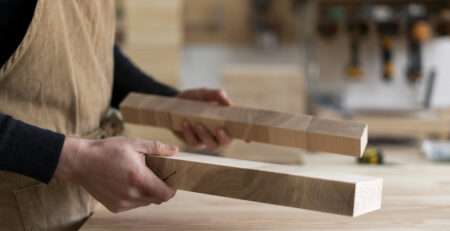
Rice husk boards can be cut, drilled, sanded, and machined using standard woodworking tools, similar to plywood or MDF.
Carpenters commonly use Indowud NFC for cabinetry and wardrobes, where the panels can be finished with paint, laminate, or veneer.
Designers and fabricators also appreciate its thermoforming capability, allowing the material to be heated between 120–150°C to create smooth curves and three-dimensional shapes.
Conclusion
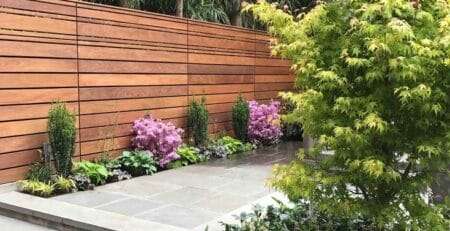
Rice husk-based panels are engineered to withstand moisture, salt exposure, and humidity. This makes them suitable for installations such as resort fences, poolside partitions, and exterior cladding.
Unlike conventional plywood, Indowud NFC does not rot easily and maintains structural strength even in demanding conditions. Its fire-retardant and termite-resistant properties provide added protection in environments exposed to fire risks or pest damage.
For offices and residential spaces, these panels can be cut, drilled, and shaped like wood to create partitions, work pods, wardrobes, and decorative elements. At the same time, they maintain zero-VOC emissions, ensuring healthier indoor air.
With certifications such as EPD and GreenPro, rice husk panels also contribute to higher sustainability ratings and can support LEED-certified construction projects.
By combining sustainability with durability and design flexibility, Indowud NFC offers a practical alternative to traditional materials like WPC or MDF.


Leave a Reply